
-
Corporate
-
Corporate Governance
-
Products and Services
-
Investor Relations
-
Contact Us
Yüksel Keleş, 1994 yılında Marmara Üniversitesi İktisat Fakültesi Çalışma Ekonomisi ve Endüstri İlişkileri Bölümü’nden mezun olmuştur. Yüksek lisans eğitimini 1997 yılında aynı üniversitenin Ortadoğu ve İslam Ülkeleri Enstitüsü İktisat Anabilim Dalı’nda, doktora eğitimini ise 2022 yılında İstanbul Sabahattin Zaim Üniversitesi Sosyal Bilimler Enstitüsü İslam İktisadı ve Uluslararası Finans Programı’nda tamamlamıştır.
Profesyonel kariyerine bankacılık sektöründe başlayan Keleş, son 17 yılı Kuveyt Türk Katılım Bankası A.Ş.’de olmak üzere 25 yılı aşkın bankacılık ve finans deneyimine sahiptir. Kariyeri boyunca stratejik yönetim ve liderlik alanlarında çeşitli görevler üstlenmiş, finans sektöründe önemli çalışmalara imza atmıştır. Akademik ilgi alanları arasında İslam iktisadı, katılım finansı, uluslararası finans ve ekonomik kalkınma konuları yer almaktadır.
Hâlen Sakarya Üniversitesi Siyasal Bilgiler Fakültesi İslam İktisadı ve Finans Bölümünde öğretim görevlisi olarak akademik çalışmalarını sürdürmektedir.
Ahmet Selman Baktı, 2008 yılında Marmara Üniversitesi İlahiyat Fakültesinden mezun olmuştur. İslam Hukuku alanındaki yüksek lisans eğitimini 2011 yılında aynı üniversitede, doktora eğitimini ise 2018 yılında Sakarya Üniversitesi Sosyal Bilimler Enstitüsü Temel İslam Bilimleri Anabilim Dalı’nda tamamlamıştır.
Akademik kariyerine Ordu Üniversitesi İlahiyat Fakültesi’nde öğretim görevlisi olarak başlamıştır. Temel İslam Bilimleri ve İslam Hukuku alanlarında 15 yılı aşkın akademik tecrübeye sahip olan Baktı, yürüttüğü bilimsel çalışmalar neticesinde hakemli akademik dergilerde çok sayıda makale yayımlamış; çeşitli kitaplar kaleme almış ve alanı ile ilgili eserlere katkıda bulunmuştur.
Hâlen Sakarya Üniversitesi İlahiyat Fakültesi Temel İslam Bilimleri Bölümü İslam Hukuku Anabilim Dalında öğretim üyesi olarak akademik çalışmalarını sürdürmektedir.
Sevda Dündar, Bahçeşehir Üniversitesi Hukuk Fakültesi’nden mezun olmuştur.
Profesyonel kariyerine Kuveyt Türk Katılım Bankası A.Ş.’de başlayan Dündar, bankanın farklı birimlerinde yaklaşık 12 yıl boyunca görev alarak bankacılık ve finans alanlarında önemli bir tecrübe kazanmıştır. Ardından hukuk alanındaki uzmanlığını profesyonel olarak sürdürmek amacıyla bankacılık kariyerini sonlandırmış ve avukatlık mesleğine yönelmiştir.
Hâlen özel bir hukuk bürosunda avukat olarak görev yapan Dündar, hukuk alanındaki çalışmalarını etkin bir şekilde sürdürmekte ve mesleki kariyerine devam etmektedir.

It is a practical and economical foreign trade product with widespread use, allowing goods to be cleared from customs only after the price is paid/collected in import and export transactions. Our bank can process the documentary collections of our customers in both import and export transactions with our expert teams.

It is a form of payment where a forward receivable is tied to a bill of exchange. It is a form of payment that requires the documents representing the goods to be sent by the seller along with a bill of exchange in acceptance credit transactions and the price of the goods to be paid on the specified date. In this trading method, documents representing the goods are delivered to the buyer only after the buyer accepts the policy and/or is given an aval by the buyer's bank. Transactions can be structured as a letter of credit with acceptance credit, acceptance credit against documents, and acceptance credit against goods. This product allows importers to purchase goods on credit. Our bank offers acceptance credit transactions as a product to its credit customers.
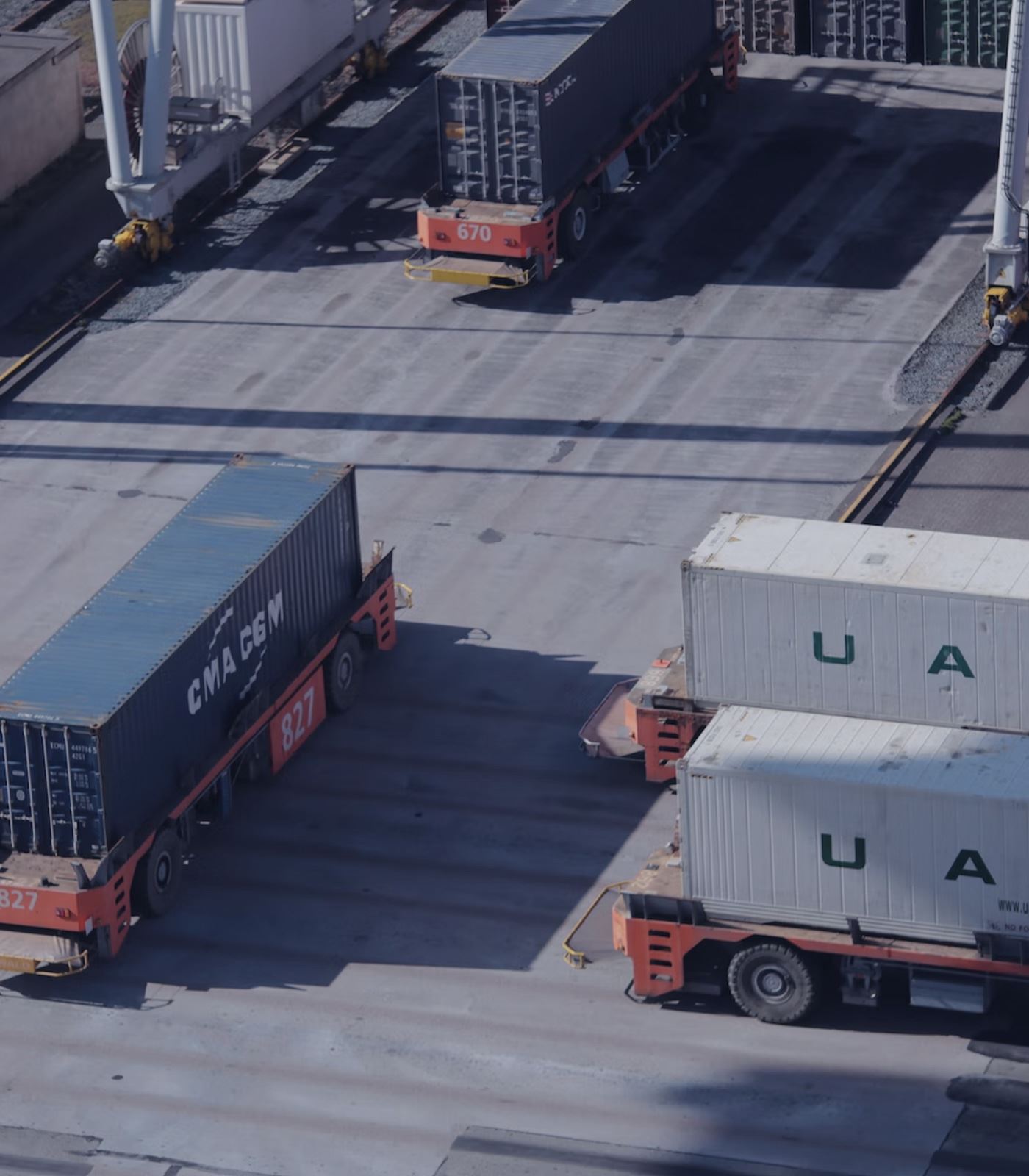
Transactions against goods are a foreign trade method in which the exporter loads the goods, sends documents confirming the ownership of the goods directly to the importer, and the price of the goods is paid on a predetermined date. In this method, since the payment will be made after the delivery of the goods, it is the type of transaction that carries the least risk for the importer and the highest risk for the exporter. This payment method is considered as a kind of credit provided by the seller to the buyer since the cost of the goods has not yet been paid at the time of import. In this context, it is preferred especially when there is a trust-based relationship between the exporter and importer. Our bank can process cash against goods transactions of our customers who have accounts.

It is a product that accepts policies created by the exporter and enables the importer to clear the goods from customs with deferred payment. In this process, banks must add/accept the policy to the policy created by the sellers. Our bank offers aval/acceptance credit transactions as a product to its credit customers.

Letter of credit (LC) is a foreign trade method in which payment is guaranteed by the bank after the goods are shipped from the export country, provided that the conditions determined between the buyer and the seller (goods type, quantity, delivery time, payment method, etc.) are complied with. It is a payment method that provides a high level of security for both buyers and sellers. From the buyer's perspective, letters of credit (LCs) provide a letter of credit guarantee that ensures payment is made only for goods that comply with the contract terms, are shipped on time, and meet the credit requirements. From the seller's perspective, LC offer a secure collection method as payment is guaranteed by the bank only if the terms of the LC are fulfilled. Our bank offers letter of credit to its credit customers.